Superstition Mountain: Unveiling the Mystery, Inspiring Adventure
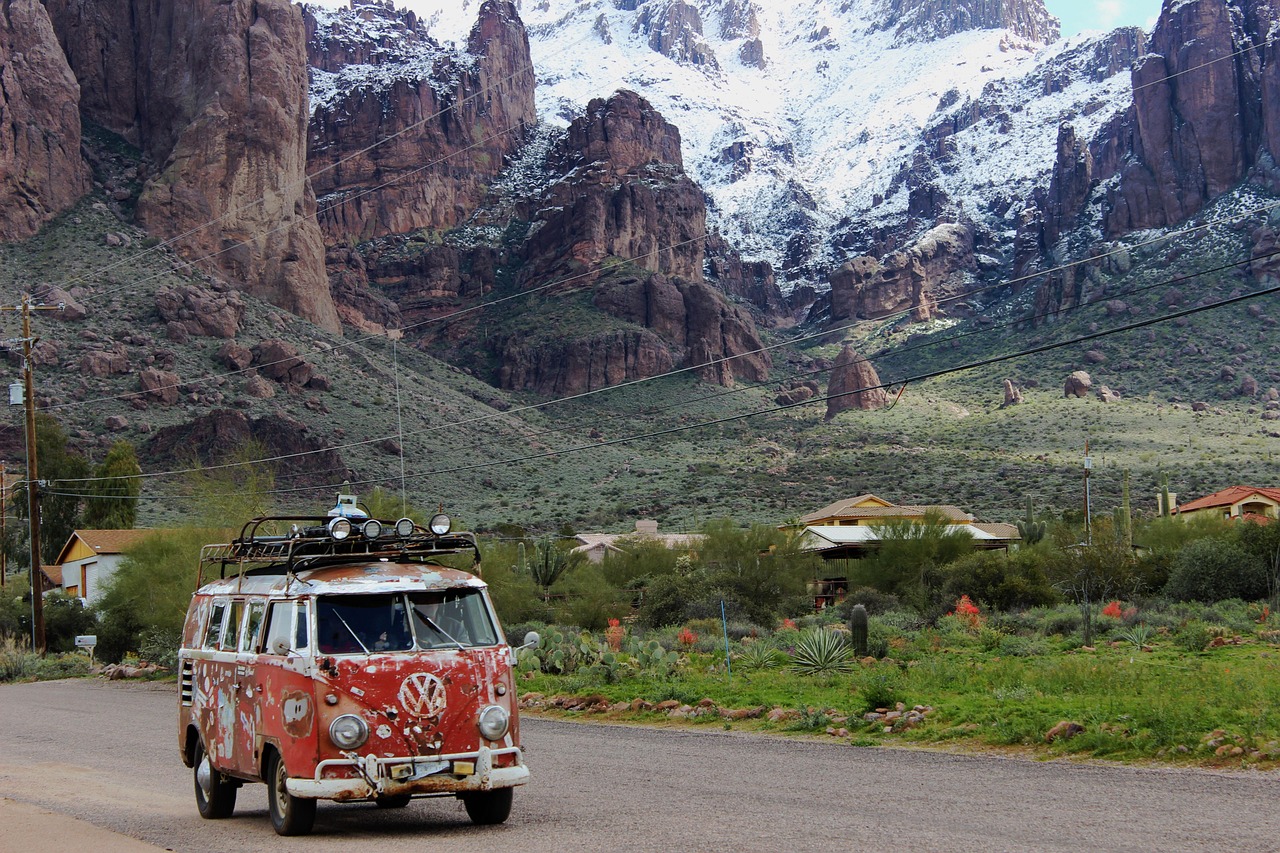
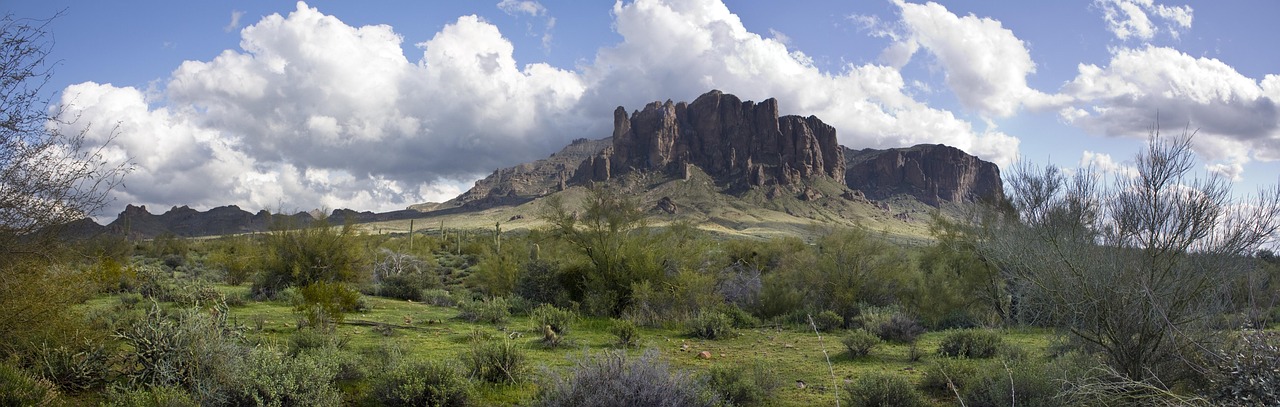
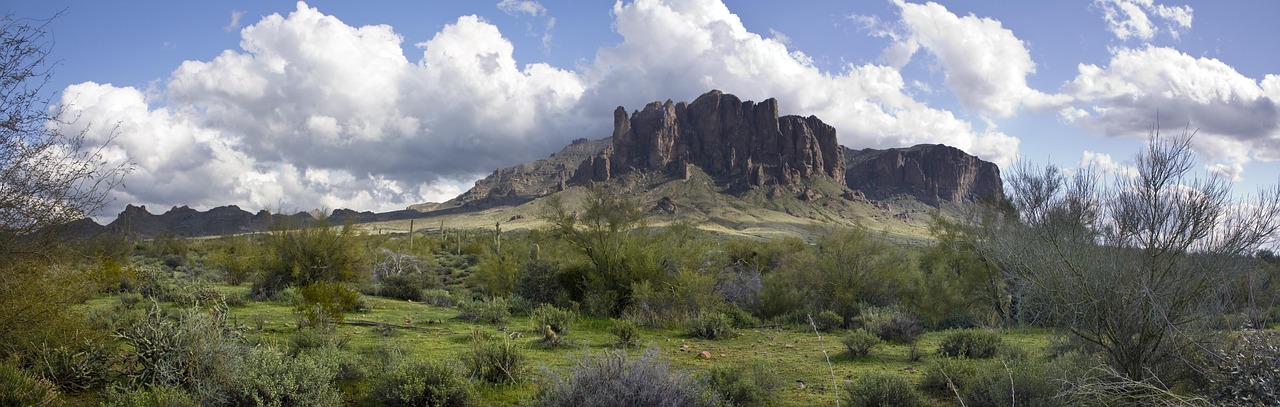
Superstition Mountain is a majestic peak in Arizona's rugged Apache Junction, captivating adventurers and nature enthusiasts with its otherworldly landscapes and rich history of folklore and mystery. This iconic landmark stands at 7,925 feet, offering breathtaking views and a unique blend of natural beauty and supernatural allure. It matters because it represents a vibrant intersection of science, history, and imagination, inspiring exploration and wonder for all who dare to venture near.
Frequently Asked Questions
Q: What makes Superstition Mountain so unique?
A: Superstition Mountain is unique due to its dramatic desert landscape, towering peaks, and a rich history steeped in Native American legends, gold mining folklore, and unexplained disappearances. The combination of stunning natural beauty and eerie mystery creates an irresistible draw for adventurers and those seeking a taste of the unknown.
Q: What activities can visitors enjoy on Superstition Mountain?
A: Visitors can engage in diverse activities like hiking trails winding through cactus-dotted canyons, rock climbing on challenging slopes, horseback riding through ancient Apache ruins, or simply enjoying panoramic vistas from observation points. The mountain offers something for every skill level and interest.
Q: Are there any historical sites on the mountain?
A: Indeed! Superstition Mountain harbors remnants of ancient Apache culture, including abandoned villages and sacred grounds. Gold mining camps from the late 1800s also dot the landscape, offering a glimpse into Arizona's wild west past. Exploring these sites provides a unique connection to history.
Q: Is it safe to visit Superstition Mountain?
A: While generally safe, visiting Superstition Mountain requires preparation and caution due to its remote location and unpredictable desert conditions. Proper gear, water, sun protection, and knowledge of the terrain are essential. Always check weather forecasts and follow marked trails.
Q: What are some popular hiking trails on Superstition Mountain?
A: Several well-maintained trails cater to various experience levels. The Flatiron Trail is a challenging but rewarding hike offering stunning views of the mountain's iconic flat-topped peak. The Apache Peak Trail, easier than the Flatiron, provides panoramic vistas of the surrounding desert. For a more leisurely experience, the Superstition Mountains Wilderness Trail meanders through diverse plant life.
Q: Can I camp on Superstition Mountain?
A: Limited primitive camping is available on designated sites along some trails, but permits are often required. Backcountry camping is permitted with proper planning and adherence to Leave No Trace principles for preserving the natural environment.
**Q: What about wildlife encounters? **
A: The mountain is home to diverse desert wildlife including coyotes, rabbits, roadrunners, and a variety of bird species. While encounters are possible, it's important to maintain a safe distance and respect wildlife habitats. Remember, these animals are wild and unpredictable.
Q: Are there any risks associated with visiting Superstition Mountain?
A: Beyond the general dangers of remote desert hiking, visitors face potential hazards like heat exhaustion, dehydration, flash floods during monsoon season, and getting lost. Proper preparation and knowledge of safety measures are crucial to mitigate these risks.
Q: What equipment is necessary for a visit?
A: Essential gear includes sturdy hiking boots, sun protection (hat, sunscreen, sunglasses), water, a map or GPS device, a first aid kit, and appropriate clothing for the season.
Q: Is there any transportation available to the mountain?
A: Access is primarily by private vehicle. A four-wheel drive vehicle is recommended for some trails, especially during wet weather. Shuttle services operate seasonally near the trailheads, offering convenient access for those without vehicles.
Q: Can I learn more about the folklore and legends associated with Superstition Mountain?
A: Local visitor centers and historical societies offer exhibits and guided tours focusing on the area's fascinating history and folklore. Books and online resources also provide a wealth of information about the mysterious disappearances, gold mine tales, and Native American legends that have contributed to the mountain’s mystique.
Superstition Mountain: Beyond the Folklore
While the stories and legends are undeniably part of Superstition Mountain's allure, it's important to distinguish between folklore and reality. Many "haunting" tales have been embellished over time or lack substantiation. However, the mountain's rugged beauty, ancient history, and cultural significance remain undeniable.
Real-World Applications and Benefits:
Superstition Mountain offers a powerful example of how natural landscapes can inspire:
- Adventure and Recreation: It attracts outdoor enthusiasts for hiking, camping, rock climbing, and other activities, contributing to Arizona's thriving tourism industry.
- Historical Preservation: Preserving the mountain’s cultural heritage sites ensures that future generations can learn about Apache traditions and gold mining history.
- Environmental Conservation: Protecting the delicate desert ecosystem is crucial for maintaining biodiversity and ensuring sustainable enjoyment of the area.
- Educational Opportunities: The mountain provides a living classroom for learning about geology, ecology, Native American cultures, and desert adaptation.
Comparative Analysis:
Superstition Mountain stands out among other Arizona destinations:
- Compared to Grand Canyon National Park: While the Grand Canyon is renowned globally for its immense scale and geological grandeur, Superstition Mountain offers a more intimate experience with a focus on mystery and folklore.
- Unlike Sedona's Red Rocks: Sedona’s iconic red rock formations attract visitors seeking spiritual experiences and energy vortexes, while Superstition Mountain appeals to those fascinated by history, desert landscapes, and the unknown.
Case Study: A Successful Interpretation Strategy
One successful example of Superstition Mountain's interpretation is the Superstition Mountain Museum in Apache Junction. This museum offers exhibits that blend historical facts with captivating storytelling, drawing visitors into the mountain’s intriguing past. By combining artifacts, interactive displays, and knowledgeable guides, the museum provides a well-rounded experience that appeals to both casual tourists and history buffs.
Industry Insights:
The interpretation of cultural and natural heritage sites is evolving. Today's visitors seek authentic experiences that connect them with place and story. Engaging storytelling, interactive exhibits, and immersive technologies are becoming essential tools for interpreting destinations like Superstition Mountain.
Practical Implementation Guide:
For organizations looking to develop programming around Superstition Mountain:
- Research: Conduct thorough research on the mountain’s history, folklore, geology, and ecology.
- Target Audience: Identify your target audience (family travelers, outdoor enthusiasts, history buffs) and tailor your offerings accordingly.
- Storytelling: Weave compelling narratives into tours, exhibits, and educational programs to make the experience memorable.
- Sustainability: Implement sustainable practices in all aspects of programming and operations.
- Community Involvement: Collaborate with local Apache tribes, historical societies, and environmental groups to ensure cultural sensitivity and accuracy.
The Future of Superstition Mountain:
As interest in outdoor adventure and cultural heritage continues to grow, Superstition Mountain is poised for a bright future. By preserving its natural beauty, honoring its history, and offering meaningful experiences, this iconic Arizona destination will continue to inspire generations to come.
Category: Superstition Mountain